
 Nenah Kumar
Published July, 2026
What is PCREF?
The Patient and Carer Race Equality Framework (PCREF) is NHS England’s mandatory anti‑racism framework for all NHS mental health trusts and mental health service providers. It was launched nationally in May 2023 and sets out the actions providers must take to reduce racial inequalities in access, experience and outcomes in mental health care.
PCREF does not set a single national standard. Instead, it requires each mental health provider to co‑develop local PCREF plans with racialised communities, patients, carers and staff, and to demonstrate progress through governance, data and feedback mechanisms.
Who does PCREF apply to?
PCREF applies to:
- All NHS mental health trusts
- Any provider of mental health services receiving public funding (including community and voluntary sector organisations delivering commissioned mental health services).
It does not apply to general acute trusts unless they deliver commissioned mental health services. Acute trusts with no mental health provision are not in scope.
Integrated Care Boards (ICBs) are not required to implement PCREF, but they are referenced as system partners in CQC oversight.
[https://www.cqc.org.uk/guidance-providers/nhs-trusts/brief-guides-inspection-teams/pcref

Why was PCREF introduced?
PCREF was introduced because of long‑standing, well‑documented racial inequalities in mental health care.
For example:
People from Black and Black British groups are four to five times more likely to be detained under the Mental Health Act than white counterparts.
Racialised groups experience higher rates of restraint, poorer access, and more negative outcomes.
PCREF was recommended by the Independent Review of the Mental Health Act (2018) and is part of NHS England’s wider mental health equalities work. It sits alongside programmes such as Core20PLUS5, but PCREF is specific to race equality in mental health.
https://www.england.nhs.uk/long-read/patient-and-carer-race-equality-framework
What does PCREF actually ask trusts to do?
Based on NHS England and CQC guidance, PCREF requires mental health providers to:
- Leadership & Governance: Nominate an executive lead, establish governance structures, and co‑develop local PCREF plans with racialised communities.
- Data: Publish new data on racial inequalities and ensure ethnicity data is included in all core datasets.
- Feedback: Implement visible, accessible ways for patients and carers to give feedback and demonstrate how feedback leads to action.
- Co‑production: Work directly with racialised communities, patients and carers to design, implement and review PCREF actions.
- Evidence for inspection: Demonstrate progress to the CQC; failure to implement PCREF may indicate institutional racism or closed‑culture risks.
.png?width=2000&height=1077&name=Website%20images%20%20(1).png)
Where language access fits
PCREF requires real, meaningful co‑production with racialised communities. This cannot happen if:
- A patient cannot understand their care plan
- A carer cannot participate in a meeting
- A Deaf patient or non‑English‑speaking family member has no interpreter or accessible materials
- Language access is therefore not optional - it is part of delivering PCREF’s core requirement: equitable involvement of racialised patients and carers.
Why does language access matter to PCREF?
Many racialised communities disproportionately affected by mental health inequalities also experience language or communication barriers, including:
- Refugees and asylum seekers
- Gypsy, Roma and Traveller communities
- People whose first language is not English
- Deaf patients and carers
- People with learning disabilities
PCREF’s feedback and co‑production requirements mean trusts must show how they reached underserved groups - not just that a policy exists. CQC explicitly states that evidence of implementation is required.
While NHS England does not yet mandate reporting of interpreting usage, PCREF’s data and feedback domains make communication‑access evidence increasingly relevant.
Delivering PCREF in your organisation?
We support NHS mental health providers with the interpreting, translation and accessible‑communication infrastructure required for genuine co‑production under PCREF.
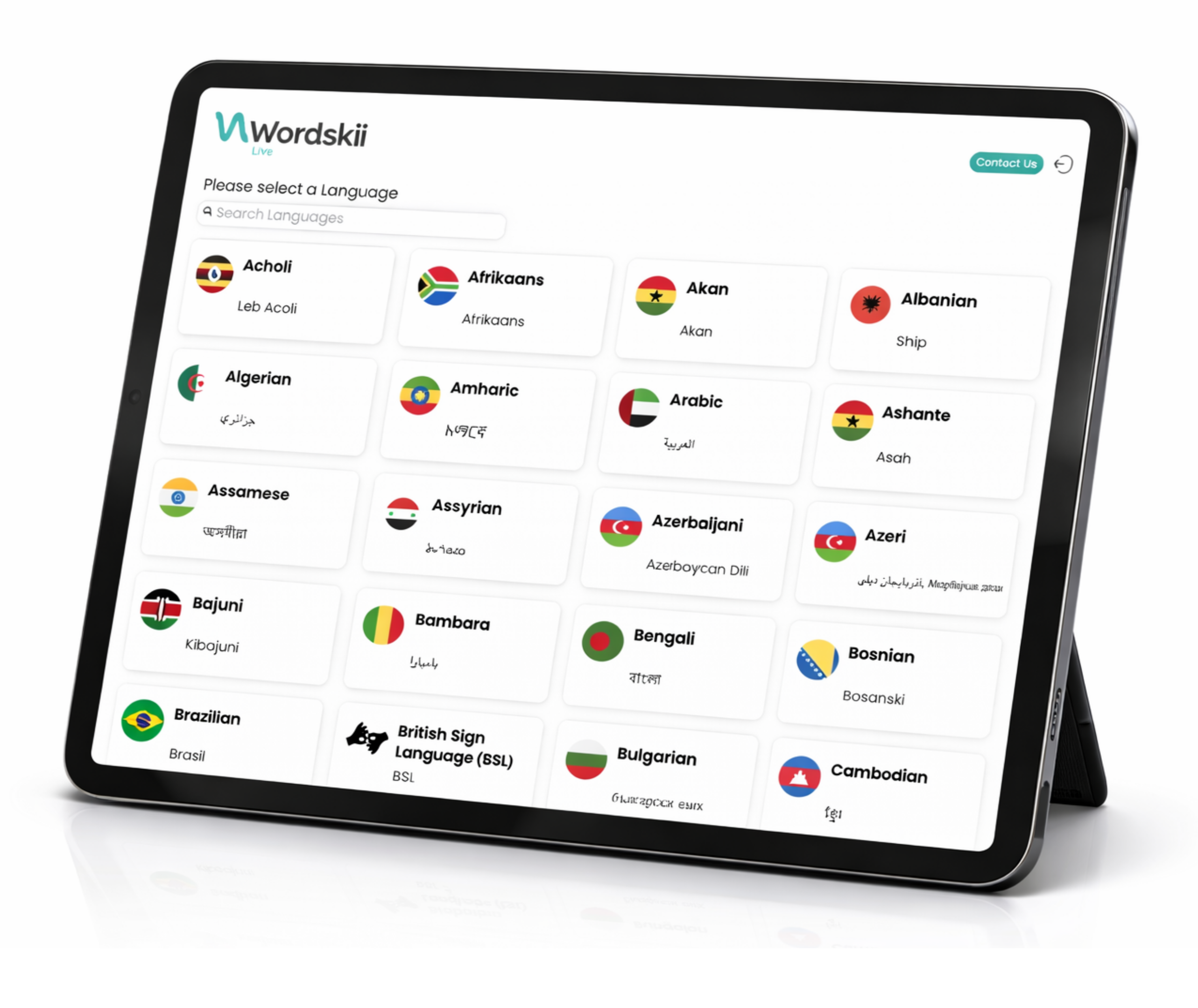
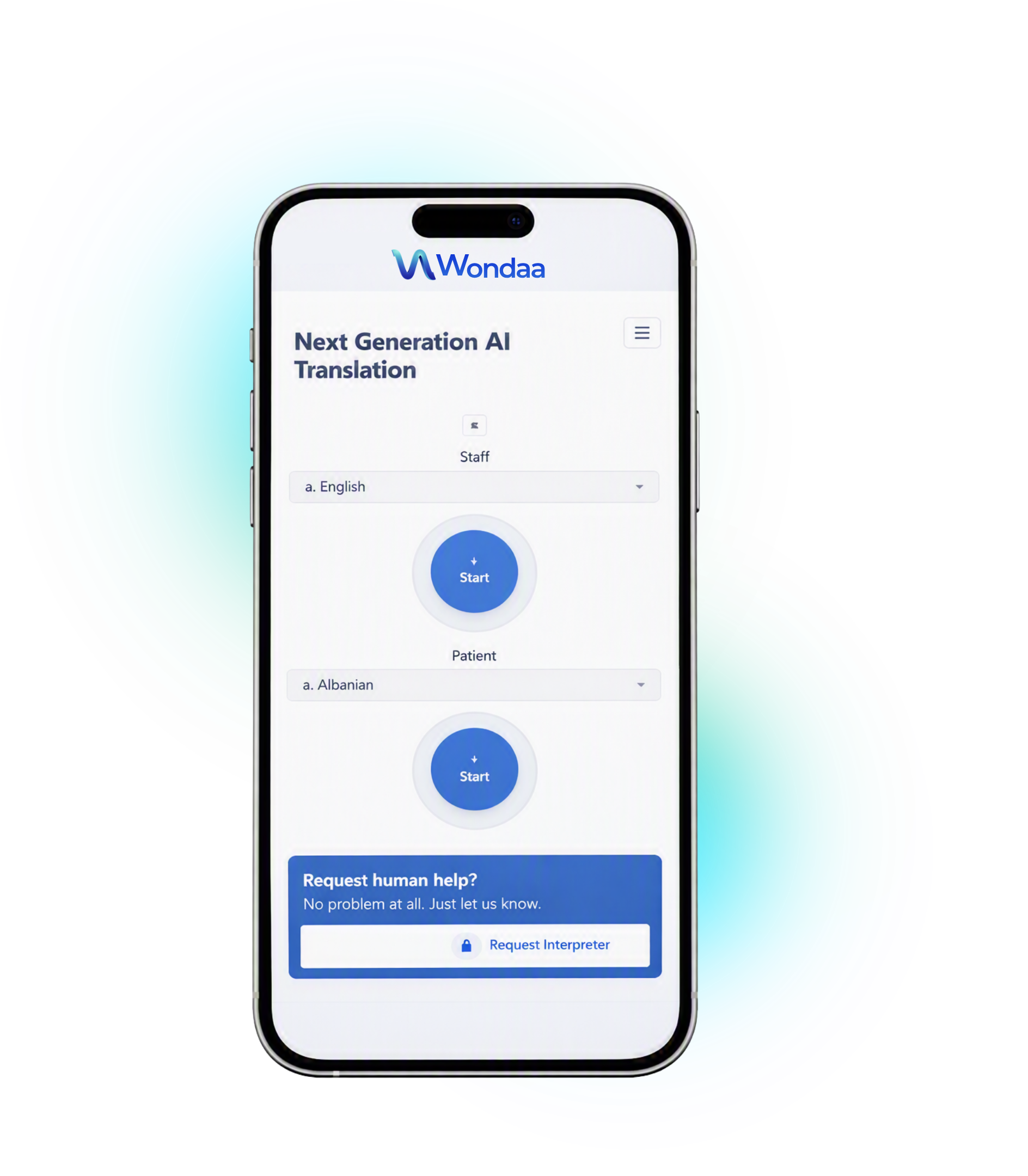
Interpreting services: Face‑to‑face, telephone, video and AI interpreting across a wide range of languages.
Translation & accessibility services: Translated patient/carer materials, Easy Read formats, and BSL interpreting for Deaf patients and carers.
For more information, feel free to contact with our expert team: getintouch@word360.co.uk
FAQ's
What does PCREF stand for?
Patient and Carer Race Equality Framework.
Is PCREF mandatory?
Yes. PCREF is mandatory for all NHS mental health trusts and mental health service providers, and forms part of CQC inspections.
Does PCREF apply to acute trusts?
Only if the acute trust provides commissioned mental health services. Otherwise, it is not in scope.
How is PCREF different from Core20PLUS5?
Core20PLUS5 is an NHS‑wide health inequalities framework. PCREF is specific to race equality in mental health services.
What is the PCREF maturity matrix?
NHS England describes PCREF through three domains - Leadership & Governance, Data, and Feedback - rather than a published “maturity matrix”. Some trusts use internal maturity tools, but NHS England’s official framework is domain‑based.
Why does interpreting and translation matter for PCREF?
Because PCREF requires co‑production, and co‑production is impossible if patients and carers cannot understand or participate in discussions about their care.
To Summarise
PCREF gives mental health providers a structured, mandatory way to address racial inequalities. But its success depends on whether racialised patients and carers can actually participate in shaping their care.
For many communities, that begins with language and communication access.
Treating interpreting, translation and BSL provision as core PCREF infrastructure, not an add‑on, makes genuine co‑production achievable in practice, not just on paper.

Recent articles
.png?width=300&name=AI%20in%20Healthcare%20-%20Blog%20Images%20%20(8).png)
.png?width=300&name=AI%20in%20Healthcare%20-%20Blog%20Images%20%20(4).png)
.png?width=300&name=Website%20Featured%20Image%20%20(2).png)